
Briquettes
Briquettes are compressed blocks of combustible materials—such as coal dust, charcoal, sawdust, or agricultural waste—used as fuel for heating and cooking. They are designed to be an efficient, high-density alternative to coal and firewood, providing consistent heat, easy handling, and reduced, eco-friendly emissions.
Showing all 4 results
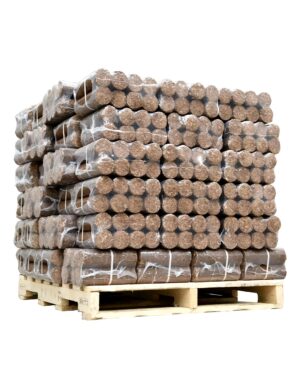
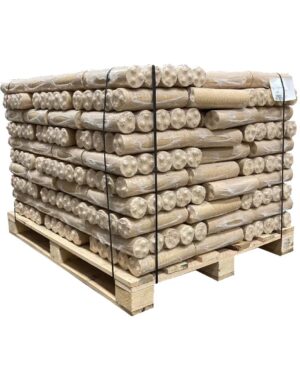
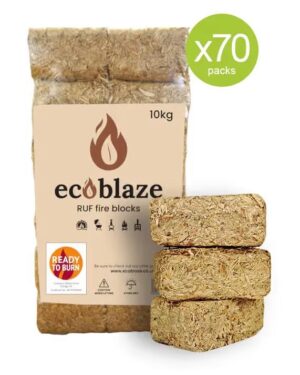
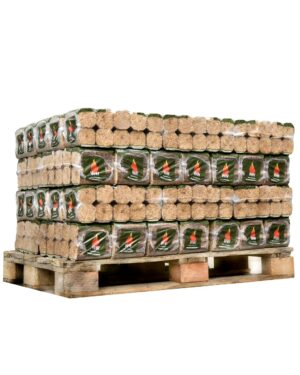
Key Aspects of Briquettes:
- Types: Common varieties include charcoal briquettes (for grilling), biomass briquettes (made from waste like rice husks or coconut shells), and wood briquettes.
- Production: They are created by compacting loose material under high pressure, sometimes using binders like starch, then drying them to reduce moisture.
- Advantages: They are often considered "smokeless fuel" with high calorific value, offering longer burning times and higher density than raw biomass.
- Applications: They are widely used in household cooking, industrial boilers for heating, and for barbecue grills.
Briquettes are considered an eco-friendly energy source because they often recycle agricultural byproducts and waste materials, acting as a renewable alternative to traditional fossil fuels.