
Wood pellets
Wood pellets are small, cylindrical, sustainable biofuels made from compressed wood waste—such as sawdust and shavings—that offer a high-density, low-moisture alternative to fossil fuels. Primarily used for efficient residential/commercial heating, grilling, and power generation, they are eco-friendly, carbon-neutral, and generate minimal ash
Showing all 3 results
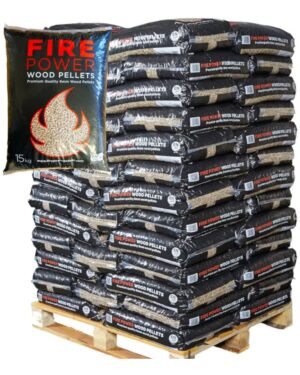
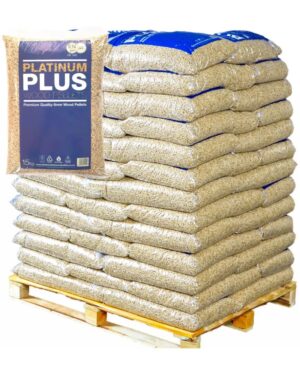
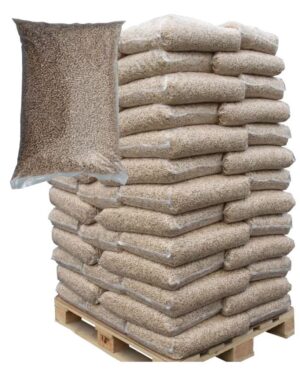
Key Characteristics and Benefits of Wood pellets
- Production: Manufactured from byproducts of timber processing (sawdust, wood chips) that are dried, pulverized, and compressed.
- Efficiency: Due to their low moisture content (under 10%), they burn at higher temperatures compared to traditional firewood.
- Sustainability: Known as a renewable energy source, they are largely carbon-neutral, as the released
is equivalent to what the tree absorbed during growth,
- Easy Handling: Their small, consistent size allows for automatic feeding in specialized pellet stoves or boilers.
Main Uses of Wood pellets
- Heating: Used in residential stoves and larger industrial boilers for clean, automatic heating,
- BBQ Grilling: Specific food-grade wood pellets are used in smokers and grills for cooking, as explained.
- Animal Bedding: Due to their high absorbency and low dust, they serve as excellent livestock bedding, note Doherty Group.
- Cat Litter: They are commonly used as biodegradable, odor-controlling litter, say Doherty Group.
Quality Standards
The highest quality pellets, often used for home heating, are certified to standards like ENplus A1, which ensures low ash content and no chemical additives, according to Balcas Energy
The highest quality pellets, often used for home heating, are certified to standards like ENplus A1, which ensures low ash content and no chemical additives, according to Balcas Energy